
Healing after a bone graft can feel slow at first, especially when you’re eager to move forward with your next stage of dental care. Whether your graft supports future dental implants or rebuilds bone after tooth loss, the way your body repairs tissue determines the strength of the final result. Many people ask how to speed up bone graft healing safely, and the truth lies in understanding what affects recovery before you start trying to improve it.
The body’s healing process is complex, but there are practical ways to support it and maintain comfort while new bone forms. Bone loss after extractions or missing teeth often makes this treatment essential for restoring structure and long-term stability.
What Influences Bone Graft Recovery Speed
The speed of recovery depends on how your body, the surgical technique, and your overall health work together after the procedure. Understanding these factors helps you know what’s normal and when professional advice might be needed.
How Bone Integration Determines the Healing Timeline
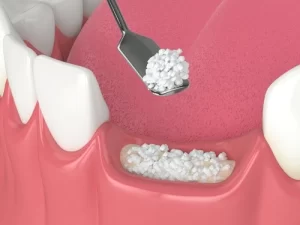 Bone grafts heal through a process called bone integration, where new tissue grows and connects with the graft material. This process begins as blood vessels form within the graft, providing oxygen and nutrients that stimulate bone healing. Early clot stability inside the tooth socket creates a foundation for new bone cells to anchor, helping rebuild density where tissue was once lost.
Over time, specialised cells replace the graft material with your own bone, rebuilding lost bone structure and strengthening the surgical site. The success of integration depends on consistent blood flow, stable positioning, and the quality of the graft material used during the bone grafting procedure. If integration slows, it may extend your dental bone graft recovery, so patience and good aftercare are essential.
The Role of Surgical Technique and Graft Type in Healing
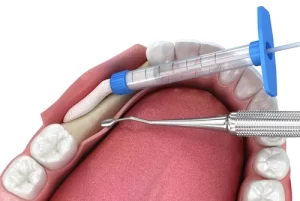
Each dental bone graft surgery follows precise steps designed to encourage fast and strong tissue formation. The type of graft used plays a major role in the outcome. An autograft, made from your own bone, usually integrates faster because it already contains living cells. Allografts and synthetic materials, while highly effective, may take longer to merge with surrounding tissue as the body replaces the foreign material.
The level of precision during bone graft surgery also affects recovery speed, as small errors can slow tissue regeneration or increase the risk of graft failure. When placed accurately and supported by steady blood flow, grafts heal predictably, leading to stable bone for future dental implants.
How General Health Conditions Affect Bone Formation
Your general health directly influences how well and how quickly a graft heals. Conditions such as diabetes, poor blood circulation, or high blood pressure can interfere with nutrient delivery and slow down bone formation. Medical conditions that affect hormone balance or immune response may also delay soft tissue healing or increase the chance of inflammation. Those with gum disease or low oral hygiene before dental surgery may have a higher chance of complications, including infection or graft breakdown. Following your healthcare provider’s recommendations helps stabilise these conditions, lowering the risk of delayed recovery or graft loss.
Practical Steps That Help Dental Bone Grafts Heal Efficiently
Supporting recovery means focusing on the choices you make after surgery. Everyday habits, nutrition, and proper follow-up care all contribute to faster healing and long-term oral health.
Building a Nutrient-Rich Diet for Faster Regeneration
 Your body uses nutrients as the foundation for bone and tissue repair. After dental bone graft surgery, eating foods rich in calcium, vitamin D, and protein helps strengthen the graft site and improve overall recovery. Nutrient-dense options such as dairy, leafy greens, fish, and legumes support bone density, while vitamin C from fruits aids collagen production in soft tissue.
Staying hydrated assists blood flow, allowing oxygen to reach the healing area efficiently. It’s helpful to eat soft foods during the initial recovery to avoid pressure on the graft site. A soft food diet should continue for at least two weeks, focusing on nutritious foods that are easy to chew without disturbing the affected area.
Avoid certain foods such as nuts, seeds, or crunchy items that can irritate the graft site or delay healing progress.
Daily Habits That Protect the Healing Site
Your daily habits have a powerful influence on how quickly your graft stabilises. Practising good oral hygiene prevents bacterial buildup that can slow healing or cause infection. Gentle brushing around the surgical site keeps it clean without disturbing the graft. Avoid smoking entirely, as it restricts oxygen supply and increases the risk of graft failure.
Quitting smoking before and after the procedure significantly improves tissue oxygenation and blood flow, which are vital for new bone growth. Alcohol should also be avoided during recovery because it interferes with healing and may react with prescribed antibiotics or pain medication.
Maintaining clean surroundings in the mouth and following your dentist’s advice on cleaning routines helps protect both the graft and the surrounding soft tissue.
Why Consistent Follow-Ups Strengthen Recovery Progress
Regular check-ups are essential to track how your bone is integrating. During these reviews, your dentist examines the graft site and may take X-rays to observe bone density changes. These visits allow early detection of certain symptoms like inflammation or excessive bleeding that could slow recovery. Adjustments to medication, cleaning routines, or diet can be made based on your healing progress. Most patients notice steady improvement when they maintain regular appointments and follow post-operative guidelines closely. Without these reviews, small problems can develop unnoticed, potentially affecting long-term success or delaying the next stage of dental implant surgery.
Rest, Sleep, and Controlled Activity as Recovery Tools
Rest plays a vital role in the recovery process by allowing the body to focus energy on tissue repair. After dental surgery, it’s important to keep your head elevated while resting to prevent swelling and encourage drainage from the surgical site. Applying ice packs during the first 24 hours helps reduce swelling and provides pain relief.
Avoid strenuous activity during the initial recovery stage, as sudden movement or increased blood pressure can disturb the graft site. Instead, light movement helps maintain blood flow without creating tension in the affected area. Once your dentist approves, you can gradually resume normal activity levels. Adequate rest, steady hydration, and balanced breathing all support a smooth recovery and help the graft fully heal in predictable stages.
Begin Your Recovery with the Right Guidance
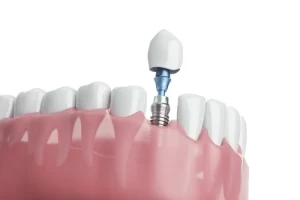 Every bone graft heals at its own pace, but your habits can make that journey smoother and more comfortable. Following your dentist’s advice, maintaining good oral hygiene, and eating well are the simplest ways to help your body rebuild strong, healthy bones. Our team provides step-by-step support after every bone grafting procedure to help you manage discomfort and avoid infection as you recover.
Whether you’ve recently had tooth extractions or are preparing for dental implants, our dentists guide you through each stage of recovery. If you’d like tailored advice on how to speed up bone graft healing, contact our clinic today at 07 4801 7035 to schedule your post-surgery review and keep your healing on track.
Note: Any surgical or invasive procedure carries risks. Before proceeding, you should seek a second opinion from an appropriately qualified health practitioner.
References
https://www.colgate.com/en-us/oral-health/implants/bone-graft-for-dental-implants-understanding-the-possibility
https://www.healthline.com/health/dental-bone-graft