
Replacing missing teeth through dental implant treatment is more than a procedure. It’s a journey that unfolds inside your mouth across several dental implant healing stages. Each stage builds on the last, shaping how well your implant integrates with bone and how comfortably it functions as a new tooth root. While much of this progress happens beneath the surface, understanding what occurs step by step helps you take care of your oral health with confidence. By learning what to expect during recovery, you’ll know how to support your body through every part of the healing process and protect the investment you’ve made in your smile.
Stage 1: Immediate Healing After Dental Implant Placement
The first stage begins immediately after dental implant surgery, when your body starts responding to the new fixture placed in the bone. This early period shapes the foundation for the entire dental implant healing process, and how you care for the area now directly affects long-term success.
How the Body Reacts Within the First 24 Hours
After implant surgery, your body begins forming a blood clot at the surgical site to protect exposed tissues. This reaction stabilises the area and signals your immune system to begin repair. While this part of the process may bring mild swelling or soreness, these are natural signs that healing is underway. Cold compresses can help calm early inflammation without disrupting blood flow.
The Role of Blood Clot Formation in Early Recovery
A stable clot acts as a protective shield over the implant site, keeping bacteria away and encouraging cell growth. It also helps prevent infection and aids healing by trapping nutrients and oxygen within the area. To protect this clot, avoid vigorous exercise and hard or crunchy foods during the initial weeks post-surgery. The body needs stillness at this stage to organise early tissue growth around the implant.
Early Sensations and What They Indicate About Healing
Minor tenderness or tightness is common as gum tissue adapts to the fixture. These sensations often fade within a few days. Persistent pain or bleeding, however, should be discussed with your dental practitioner, as it may indicate irritation or delayed healing. Eating soft foods and following your dentist’s prescribed medications can help maintain comfort as your mouth adjusts.
 How the Surgical Site Begins Adapting to the Implant Fixture
Within days, new tissue cells begin attaching to the implant surface. The titanium material integrates gradually with the surrounding bone, laying the groundwork for stability. This process transforms the implant into a part of your natural structure, helping it later function like natural teeth during chewing and speech. A dental implant involves careful placement that allows gradual bone bonding to begin.
Stage 2: The Early Healing Stage: Building the Foundation for Stability
During the first two weeks, gum tissue and bone begin their structured repair work. How well these tissues stabilise determines the strength of your future tooth replacement and your comfort during recovery.
How Inflammation Supports Natural Cleansing and Repair
Inflammation during the early phase acts as a biological cleaning tool. It clears out damaged cells left from minor surgery and prepares new tissue for growth. This stage may involve warmth or slight swelling, but these signs show your immune system is active and balanced. Maintaining good oral hygiene at this point is vital to prevent bacterial buildup and support overall dental health.
Gum Tissue Regeneration and Barrier Formation
Once the initial inflammation subsides, gum tissue begins forming a natural seal around the implant. This biological barrier protects deeper structures and reduces the risk of bacterial contamination. Gentle cleaning helps maintain this protection while allowing the gums to strengthen gradually. A smooth recovery depends on preserving this balance between protection and gentle care.
Managing Tenderness Without Disrupting Healing
During the early healing phase, stick to a soft food diet and avoid sticky or chewy foods that might disturb the grafting or sealing tissue. Keeping your head elevated during rest improves blood circulation and helps bone healing. For mild discomfort, your dentist may recommend specific pain relief options that don’t interfere with clot stability. If a nearby tooth extraction occurred recently, avoid that area to protect the surgical site.
You may include gentle, healing-friendly foods such as:
- Mashed potatoes
- Scrambled eggs
- Soups and broths
- Cooked vegetables like pumpkin or carrots
- Soft fruits such as bananas or pears
Stage 3: The Osseointegration Stage: When Bone Bonds to the Implant
This stage defines the long-term stability of your implant. Bone fusion occurs through a process called osseointegration, which transforms the implant into a permanent part of your jaw.
How Bone Cells Attach to the Implant Surface
Bone healing occurs as new bone cells grow along the textured implant surface. This microscopic process gradually strengthens the connection between bone and implant. The implant integrates steadily, forming the anchor that supports your future dental crown or bridge.
Factors That Influence Bone Integration Quality
Your body’s ability to build new bones depends on bone density, circulation, and immune function. Health conditions like diabetes or other medical conditions can influence recovery speed. Following your treatment plan and maintaining good oral hygiene help prevent infection and support a successful healing process. Bone grafting may be recommended beforehand to enhance stability and promote strong bone growth.
Signs That Indicate Successful Integration
During this period, your gum tissue should appear firm and pale pink, without swelling or bleeding. Any mild discomfort usually lessens as the implant stabilises. Regular dental check-ups allow your dentist to confirm that bone growth is on track and that integration remains strong.
Why This Stage Defines Implant Longevity
Once the bone firmly bonds to the implant, it acts as a substitute tooth root. This stability helps prevent bone loss by maintaining the mechanical stress your jaw needs to stay healthy. Proper osseointegration also protects surrounding teeth from drifting into gaps, maintaining even alignment and supporting overall oral health.
Stage 4: Mid-Healing Adjustments and the Body’s Ongoing Adaptation
By now, the body has completed the groundwork for stability. The focus shifts to tissue adaptation, gum shape, and gradual strengthening of the implant structure.
Nutritional Influence on Tissue Maturation
At this point, the role of nutrition changes from repair to reinforcement. Foods rich in calcium, protein, and vitamin D help maintain bone health and gum elasticity. A balanced diet with lean proteins, cooked vegetables, and soft fruits nourishes the tissues that protect your implant. Drinking plenty of water aids healing by supporting cell hydration and waste removal.
Gradual Increase in Chewing Pressure and Function
After the initial dental implant recovery process, your dentist may advise reintroducing light chewing on the implant side. Begin with easily chewable meals, such as mashed vegetables or soups, then transition slowly to denser options. Avoid hard or crunchy foods that could strain the implant or delay healing. A few more weeks of patience here lead to a smoother recovery.
Subtle Gum and Bone Remodelling Changes
During this stage, your jawbone continues remodelling to handle future bite forces. The gum line may also change slightly as it contours around the implant neck. These subtle shifts are natural and show that the tissues are adapting. Mild swelling may occasionally occur as part of normal adjustment, but it usually subsides quickly.
Stage 5: The Final Healing Phase Before Crown Placement
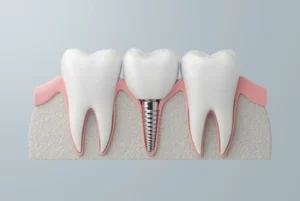 This phase prepares the foundation for your replacement tooth, transitioning from healing to restoration. It’s the point where your implant becomes ready for functional and aesthetic completion.
You can think of this phase as unfolding in three simple steps:
- Bone remodelling: internal bone continues strengthening to handle normal chewing forces.
- Soft tissue contouring: gums shape around the implant collar for a natural, sealed appearance.
- Clinical evaluation: your dentist confirms implant stability, gum health, and bite balance before fitting the crown.
Bone Remodelling and Long-Term Strength Consolidation
The internal bone structure continues refining its architecture to withstand regular chewing forces. This gradual strengthening helps the implant achieve the resilience needed for normal function. A healthy bone structure supports long-term implant success and contributes to a natural feel once your replacement tooth is fitted.
Soft Tissue Contouring Around the Implant Neck
Gums shape themselves around the implant collar, creating a seal that protects the bone from bacterial intrusion. This stage focuses on aesthetic contouring while supporting gum health. Balanced gum tissue provides a natural transition between your implant and surrounding teeth, promoting a comfortable and hygienic finish.
Clinical Evaluation Before Final Restoration
Before your dentist places the crown, abutment placement occurs to link the implant to its final restoration. At this appointment, your dentist checks implant stability, gum condition, and bone quality. Small adjustments may be made to achieve proper bite balance and avoid excessive pressure.
How Healing Duration Differs Among Individuals
Most dental implants heal within three to six months, but this varies with bone quality and health conditions. Those with immune disorders or delayed bone healing may need longer before restoration. Maintaining oral hygiene, following your dentist’s advice, and keeping the implant site clean support consistent progress toward successful healing. Healing time also depends on how many teeth were replaced and the complexity of your case.
Maintaining Implant Health After Complete Healing
Once your dental implant treatment is complete, ongoing care becomes the key to longevity. How you maintain your oral hygiene and lifestyle habits will decide how well your implant performs for years to come.
Long-Term Cleaning Techniques for Implant Care
Dental implants require the same daily attention as natural teeth. Use a soft toothbrush and non-abrasive toothpaste to clean around the implant site. Floss gently using specialised tools designed for implant dentistry. Avoiding plaque buildup helps prevent infection and keeps gum tissue firm and stable.
How to Identify Early Signs of Peri-Implant Issues
Watch for gum redness, sensitivity, or bleeding when brushing. Persistent pain or inflammation may signal early implant failure, especially if accompanied by changes in gum texture. Contact your dentist immediately if you notice any unusual signs near the implant, as early care can prevent infection from spreading.
Lifestyle Choices That Sustain Implant Longevity
Habits such as avoiding smoking, staying hydrated, and maintaining balanced nutrition support bone density and gum stability. Quitting smoking promotes blood flow to the area, which aids healing and tissue maintenance. Regular exercise that avoids excessive strain on the jaw can also help sustain oral health without reducing blood flow to the tissues.
The Role of Routine Dental Reviews in Ongoing Implant Stability
Regular dental check-ups every six months allow your dentist to monitor bone health and clean areas that are hard to reach. These visits also help detect small changes in bite alignment before they affect the implant’s foundation. Consistent professional care complements home maintenance for a successful recovery and lasting comfort.
Keep Your Implant Healthy for the Years Ahead
 Each stage of the dental implant process builds toward a stable, natural result that feels just like your own teeth. With consistent care and professional guidance, the implant integrates securely into the bone and supports strong oral function. Maintaining good oral hygiene, following your dental practitioner’s advice, and attending regular reviews are essential to protect your new tooth and prevent infection. If you’re considering replacing missing teeth or experiencing issues with implant recovery, contact our clinic at 07 4801 7035 to book your consultation and discuss a treatment plan that supports a successful healing journey.
Note: Any surgical or invasive procedure carries risks. Before proceeding, you should seek a second opinion from an appropriately qualified health practitioner.
References
https://www.colgate.com/en-us/oral-health/implants/what-are-dental-implants
https://www.fda.gov/medical-devices/dental-devices/dental-implants-what-you-should-know