
You might look at your natural teeth in the mirror and notice chipped teeth, misshapen teeth or discoloured teeth that you hope to address, yet the presence of swelling or tenderness can create uncertainty about what comes first. Can you get veneers with gum disease? This question often arises when you begin weighing cosmetic goals against how your gums feel day to day.
Gum conditions often develop slowly, so it is common to reach this point before realising your gums may need attention. Treatments like dental veneers can feel appealing when you imagine a smoother front surface, but timing is crucial. Understanding how gum health guides veneer planning helps you approach decisions with more clarity and confidence.
Can Veneers Be an Option When You Currently Have Gum Disease?
Healthy gums create the base veneers needed to sit properly
Healthy gums provide the stable foundation needed for dental veneer treatments to succeed. Veneers require a setting where the gum tissue is firm and consistent so the edges can sit naturally against the tooth surface. When gum disease is present, swelling or bleeding may interfere with this predictable fit.
This is why veneers with gum disease can become complicated, as the tissues are already responding to inflammation. A steady environment supports long-term comfort once treatment begins and reduces early concerns that may arise alongside receding gums.
Active inflammation can alter the shape around each tooth
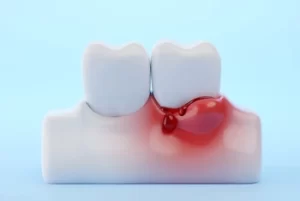 Gum inflammation changes the shape and contour around natural teeth, which affects how porcelain veneers or composite veneers would rest. Swollen gums may lift slightly away from the tooth, making it difficult to position veneers with precision.
Poor oral hygiene often contributes to these changes, and left untreated, periodontal disease can continue to progress. Veneer placement depends on accurate measurements, and inflammation can distort these details. Treating gum disease first helps steady this area before any cosmetic dental procedures are considered.
Dentists assess gum firmness and contour before planning veneers
Dental professionals assess how firm and consistent the gum edges feel before deciding whether veneers can be planned. This evaluation includes checking whether bleeding gums or swollen gums are still active and determining whether the tissues are healing or reacting.
Understanding gum disease is part of this process, as each stage reveals different needs. Veneers require a balanced environment that allows the tooth surface and surrounding tissues to work together without irritation. Clearer conditions support safer planning, especially for those who may also be navigating concerns such as misaligned teeth.
Gum tenderness can affect how accurate impressions turn out
Tender gum tissue can affect how impressions capture the details of your natural tooth structure. Dental veneer treatments rely on precise moulds so that porcelain or composite resin materials can be shaped correctly.
If gum tissue is too reactive, impressions may distort slightly, creating less predictable results. Gum recession may also influence how the edges of a veneer meet the tooth. A healthy gum foundation provides more reliability across each step.
Veneer timing often depends on how well your gums respond to early care
Treating gum disease helps create conditions that allow veneers to be considered later. Root planing, antibiotic mouth rinse, or other targeted steps may calm the tissues and reduce inflammation. In some cases, diseased tooth root concerns or tooth roots exposed by gum recession need attention first.
Dental professionals use these responses to guide the treatment plan so that veneers with gum can be timed more thoughtfully. Steady gum health supports veneer treatments that feel comfortable and predictable over time.
Steps That Help Prepare Your Gums Before Considering Veneers
Daily habits that calm gum irritation
 You may notice that irritated gums feel less reactive when your daily routine becomes gentler and more consistent. Soft brushing and careful flossing keep the mouth clean without placing pressure where tenderness already exists.
Your dentist reviews these areas during visits to see whether inflammation linked with periodontal disease is easing. As these habits settle into place, your gum tissue begins to respond in a calmer, more predictable way that supports a healthier smile.
Targeted care that supports gum stability
When deeper cleaning is needed, you will usually be guided through treatments designed to shift your gums out of the irritated phase and into a more stable one. This may involve root planing, focused cleaning sessions, or supportive therapies that reduce bacterial load.
If gum recession or changes around a diseased tooth root need additional attention, procedures such as bone grafting or other supportive steps may be discussed with you. Each measure aims to create a firmer base so veneer treatments feel both comfortable and predictable.
Gum improvements that guide veneer planning
As your gums regain firmness and the colour begins to look more even, you and your dental professional get a clearer sense of how the mouth is healing.
Veneer planning depends heavily on gum position, because porcelain or composite veneers need steady contours for the edges to sit comfortably. When your oral health starts to feel more settled day to day, treatment sequencing becomes easier to map out without rushing decisions that rely on stable gum tissue.
Signs your gums are ready for veneers
Your dentist will let you know when your gums have remained steady long enough to move to veneer discussions. Veneers require predictable gum behaviour so the margins blend smoothly without irritation. Treating gum disease before veneers also lowers the chance that gums will react later and disrupt the fit. When your natural teeth and the surrounding tissues remain calm and consistent over several appointments, cosmetic dental procedures can begin with far greater confidence.
Start Your Veneer Journey With Clearer Direction
 Beginning cosmetic work while dealing with gum disease can feel confusing, but understanding the sequence helps everything fall into place. Gum health provides the quiet stability that veneer treatments rely on, making this stage essential rather than optional. As your gums settle, you also protect overall dental health, which becomes important when planning any cosmetic dental work down the track.
If you would like guidance about how to restore gum health or map out a safe treatment plan, our clinic can walk you through each step with clarity and reassurance. Thoughtful timing helps protect your natural teeth while preparing for future cosmetic choices, especially when regular dental visits help monitor how the tissues behave around healthy bones. For personalised advice about your veneer journey or gum treatment options, please call us on 07 4801 7035.
References
https://www.webmd.com/oral-health/veneers
https://www.colgate.com/en-us/oral-health/veneers/dental-veneers-pros-and-cons