
Every smile tells a different story, shaped by habits, alignment, and how the upper and lower teeth meet. If you’ve ever noticed your upper teeth extending too far over the lower set, you might have wondered if veneers for overbite could help. While orthodontic treatment or jaw surgery can correct structural causes, veneers present a less invasive way to address cosmetic concerns. Many individuals are surprised by how thin porcelain shells can alter proportions, balance features, and improve confidence without complex adjustments. Before deciding, it’s worth understanding how this treatment can reshape appearance and why a careful evaluation determines whether it’s right for you.
How Veneers Support Cosmetic Overbite Correction
Veneers can refine the look of teeth that overlap excessively, giving the smile a more even and symmetrical appearance. Knowing how they function and what they can realistically achieve helps you understand where cosmetic dentistry meets bite harmony.
What Happens When Upper Teeth Overlap the Lower Set
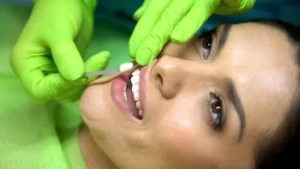 An overbite occurs when the upper teeth cover too much of the bottom teeth during closure. In mild overbite cases, this overlap can go unnoticed, while in severe overbite conditions, eating discomfort or jaw pain may occur. A vertical overbite creates the impression that the upper teeth protrude more than usual, while a horizontal overbite pushes the top teeth forward. Both can affect oral health and aesthetics if left as an untreated overbite. Excessive contact between upper and lower teeth can cause worn-down teeth and strain in the jaw over time. In deeper cases, some people may also develop severe jaw pain that interferes with daily comfort.
How Thin Porcelain Shells Adjust the Smile’s Visual Alignment
Dental veneers are designed from thin porcelain shells that adhere to the front surface of teeth. They reshape how the upper and lower teeth appear when you smile or bite down. Veneers fix uneven proportions by altering the visible height and width of teeth, creating visual harmony even when the underlying structure remains the same. Unlike orthodontic braces, veneers do not move bone or correct a misaligned bite, but they make teeth appear more balanced and symmetrical. This approach provides aesthetic benefits for mild to moderate alignment irregularities without structural alteration.
When Veneers Combine with Other Dental Treatments
In more pronounced overbite cases, combining veneers with orthodontic treatment may deliver optimal results. Clear aligners or traditional braces can correct an overbite before veneers refine the final shape and shade of the upper teeth. This combination prevents uneven pressure and supports natural function between the upper jaw and the lower jaw. When managed together, these treatments enhance both appearance and comfort. Your cosmetic dentist may include veneers as the finishing stage of a broader overbite treatment plan, depending on the degree of misalignment.
Deciding If Veneers Suit Your Bite and Jaw Alignment
Not every overbite can be addressed through cosmetic dentistry procedures alone. Determining whether veneers are appropriate requires careful assessment of jaw alignment, enamel thickness, and overall oral health.
Factors Your Dentist Considers Before Recommending Veneers
Before veneers are applied, your dentist evaluates tooth position, gum health, and enamel strength. Gum disease, tooth decay, or existing decay must be addressed first to protect healthy teeth. If uneven contact between the upper teeth and lower teeth is observed, veneers may not be suitable until balance is restored. The evaluation stage helps your dentist identify whether veneers can fix an overbite visually or if structural correction should come first.
How Different Overbite Levels Influence Treatment Choices
A mild overbite with minimal overlap can often be corrected visually through veneers. However, a deeper or severe overbite may require orthodontic intervention or jaw surgery before cosmetic adjustments are made. Those with a misaligned bite or bad bite pattern might experience strain across the jaw or facial muscles. A cosmetic dentist can determine which overbite cases benefit most from porcelain veneers and which require additional steps for overbite correction. If misaligned teeth contribute to the problem, alignment procedures may be recommended first to achieve a balanced foundation before cosmetic enhancement.
When Alignment Adjustments Are Needed Before Veneers
If the upper teeth overlap significantly, your dentist might recommend orthodontic work first. Overbite treatment using clear aligners or braces can reposition teeth before veneers are applied. Once alignment stabilises, veneers fix the final appearance by refining contours, filling minor gaps, or improving symmetry. This staged approach provides stable results and reduces the risk of chipping due to uneven pressure from the upper and lower teeth.
How Digital Scans Help Map Bite Contact and Fit
Advanced scanning technology captures the exact contact points between teeth during closure. These scans guide how veneers should be shaped to prevent stress along the bite. Identifying where the upper teeth meet the lower set helps reduce friction and protect tooth enamel. This precision also ensures the thin shells align naturally with your bite pattern, preserving comfort and function across the jaw.
The Veneer Placement Journey and What Each Stage Involves
Veneer application is a stepwise process where every phase contributes to both comfort and aesthetic success. From preparation to bonding, the process is tailored to your dental condition and bite characteristics.
How Teeth Are Prepared and Impressions Taken for Bite Harmony
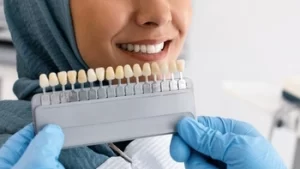 To achieve balance, the dentist may reshape parts of the top teeth to accommodate veneers without adding bulk. This preparation phase also corrects uneven angles where upper teeth cover the lower ones. Impressions or digital scans are then taken to create custom veneers that blend with surrounding teeth. The goal is to achieve proportionate alignment between the upper and lower teeth while maintaining a natural bite motion. If missing teeth affect your bite, your dentist may suggest restorative care before proceeding with veneer treatment.
Shaping Veneers to Match Upper and Lower Tooth Proportions
Porcelain veneers are individually crafted to mimic the natural translucency and colour of enamel. Each veneer is designed to complement the curvature of the upper jaw and fit harmoniously against the lower teeth. The process requires precise communication between the cosmetic dentist and laboratory technicians to ensure a seamless visual transition. The adhesive bonding process attaches veneers to the front surface, blending them naturally within the smile line.
Using Temporary Veneers to Refine Fit Before Final Bonding
Before final placement, temporary veneers help assess contact and comfort. During this stage, minor adjustments are made to refine symmetry and bite interaction. This step helps confirm that veneers fix an overbite visually without creating new tension across the jaw. Once the fit is confirmed, permanent porcelain veneers are securely bonded using high-grade dental adhesives. Many patients notice an immediate improvement in proportion and smile alignment once the veneers are placed.
Caring for Veneers and Protecting Bite Harmony Over Time
After placement, maintenance habits and regular care keep both veneers and natural teeth strong. Consistent attention prevents minor issues from developing into larger concerns and preserves the investment long-term.
Everyday Habits That Keep Dental Veneers Strong and Balanced
Caring for veneers involves daily cleaning and mindful chewing habits. Brush gently with non-abrasive toothpaste to protect both porcelain veneers and tooth enamel. Avoid biting directly into hard foods that could strain the adhesive bonding or thin shells. Maintaining proper oral hygiene helps prevent gum disease or decay near the veneer edges, supporting long-term oral health. Veneers often complement other cosmetic dentistry procedures for a complete aesthetic plan.
Tracking Bite Changes and Veneer Wear Through Regular Checks
Over time, small changes in bite pressure can occur naturally. Regular visits to your dentist help identify early signs of friction, jaw alignment shifts, or minor surface wear. Individuals who clench or grind their teeth may benefit from protective guards to prevent damage. Monitoring bite contact ensures veneers remain comfortable and maintain their intended alignment across both arches.
Scheduling Review Visits to Maintain Lasting Comfort and Appearance
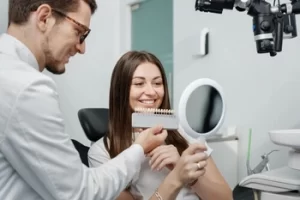 Routine check-ups every six months help your dentist assess the condition of your veneers and gum health. These appointments allow early correction of uneven pressure or small chips before they worsen. If needed, polishing or minor reshaping can restore surface smoothness. Continuous review protects veneers from damage and keeps both appearance and comfort consistent across all overbite cases.
Begin Your Path to a More Balanced Bite and Confident Smile
If you’ve been considering veneers to correct an overbite, now is the right time to discuss your options. Veneers can offer quick aesthetic enhancement for those with minor misalignments, while more complex cases may require alternative treatments. Our clinic works closely with you to develop a treatment plan that reflects your bite pattern and cosmetic goals. We’ll help you explore treatment options and guide you through each stage of care. Call our clinic today at 07 4801 7035 to schedule your consultation and discover how veneers can help fix an overbite and improve both function and appearance.
References
https://www.webmd.com/oral-health/veneers
https://medlineplus.gov/ency/article/001058.htm