Eating can feel unfamiliar straight after dental implant surgery, so leaning toward softer textures helps you move through early meals more comfortably. You might picture warm blends, lighter dishes, or smooth flavours that feel easier during the healing process. Some people prefer simple plates, while others like variety that keeps food enjoyable without irritating the surgical site. Gentle options give reliable direction while tissues settle after implant surgery.
The list below offers 50 soft foods to eat after dental implant surgery, grouped so you can match ideas with daily routines.
Soft Meal Ideas After Dental Implant Surgery
Gentle foods limit force while chewing, so the surgery site stays calm. You will see familiar choices that work with a soft food diet while avoiding textures that may disturb the forming tissue.
Gentle Breakfast Foods for a Calmer Start to the Morning
Below are options that feel comfortable early in the day.
- Creamy warm porridge: Simple to prepare
- Smooth blended apples: Soft texture with gentle flavour
- Broth-soaked soft bread: Moist and light on chewing
- Mashed banana bowl: Mild and naturally sweet
- Soft oat mixtures: Easy consistency without firm edges
- Milk mixed with protein powder: Handy when appetite is low
- Cold milkshake drink: Cooling and easy to sip
- Ready-to-drink liquid meals: Convenient during early healing
- Velvety mashed potato: Warm and calming
- Light scone pieces: Tender without a strong bite
- Mild cottage-style curds: Smooth and gentle
- Softly folded eggs: Settle comfortably during eating
- Sour cream blended through dishes: Adds moisture and softness
Evening and Lunchtime Foods That Stay Easy to Chew
These help create small, balanced meals without pressure on gum tissue.
- Pulled chicken in broth: Gentle and mild
- Mashed sweet potato portions: Soft and soothing
- Silky risotto bowl: Subtle texture for light chewing
- Slow-cooked bean mix: Smooth body with mild taste
- Blended refried bean dish: Creamy base
- Lightly steamed veggie mash: Easy to handle
- Soft pasta coated in tomato: Smooth and mellow
- Warm polenta bowl: Calm texture
- Pureed vegetable soups: Easy to swallow
- Steamed pumpkin mash: Mild flavour
- Lentil-based soft mix: Gentle texture
- Silken tofu pieces: Soft, neutral taste
- Tender black bean mash: Gentle protein source
Snack Options That Feel Kind on Healing Areas
These picks fit between meals and stay comfortable to chew.
- Creamy rice dessert: Smooth feel
- Soft coconut yoghurt cup: Mild and cool
- Thinly spread nut butter: Easy on the mouth
- Blended cucumber cup: Fresh, gentle texture
- Softened egg salad mix: Calm chew
- Soft cheese slices: Mild and mellow
- Fruit mousse cup: Light and fluffy
- Mashed avocado: Rich and silky
- Ready-served warm porridge: Balanced and simple
- Mashed soft beans: Gentle, filling bite
- Smooth blended soups: Sippable texture
- Light soufflé portions: Very airy
- Skin-free soft peaches: Mild fruit
- Mango mash: Velvety fruit texture
Soft Treats When You Prefer Something Sweet
These work nicely when you want a gentler dessert.
- Silky pudding cups: Light mouthfeel
- Gentle custard bowl: Mild flavour
- Soft chia blends: Cool and pliable
- Fruit smoothies: Easy to sip
- Ice cream without add-ins: Gentle chill
- Crust-free cream pie filling: Tender and smooth
- Smooth cheesecake servings: Calm texture
- Whipped cream blends: Soft and delicate
- Airy mousse blends: Easy spoonful
- Fruit purée servings: Soft, spoon-friendly
Choosing Meals That Support Comfortable Healing
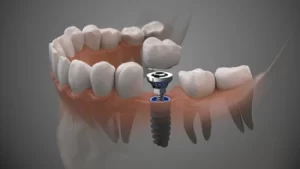 Soft textures help avoid irritation and reduce friction against newly placed dental implants. These supportive steps give structure to your routine while the healing phase progresses.
Why Softer Foods Can Reduce Pressure Around the Implant
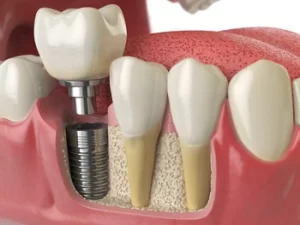
When bite force feels lighter, surrounding tissues have time to stabilise around developing bone. Softer ingredients place fewer demands on the area, especially during early recovery when new bone forms. Avoiding crunchy foods and chewy foods helps lower friction, keeping the surgical site steadier.
Signs Your Implant Area May Need Extra Attention
If warmth or new tenderness develops, smaller bites may help. Occasional reactions can appear if acidic juices, orange juice, or spicy foods sit near sensitive points. Repeating exposure to hot foods, hot beverages, or extremely hot items may irritate nearby gum tissue, especially when a blood clot is still stabilising. Contact your provider if discomfort continues.
Eating Habits That Help You Stay Comfortable Day to Day
Soft plates are only one part of the support. Here are practical shifts that help many people feel steadier.
- Limit spicy and acidic foods: This includes spicy and acidic foods, acidic foods, and tomato sauce
- Choose gentler meals: Softer textures give calmer contact while the area settles• Avoid other acidic juices: Reduce irritation around sensitive tissue
- Skip raw vegetables: A firm bite may disturb delicate areas
- Pause crunchy foods: Hard textures may disturb the forming tissue
- Hold chewy foods for now: They may place too much tension on healing spots
- Add meal replacement options: Helpful if appetite decreases
- Include nutritious foods: Balanced intake can support steady eating
- Monitor protein intake: Sources like protein powder combine well with a liquid meal
Move Forward With Comfortable Eating
 Choosing calmer textures is a simple way to support comfort while your mouth settles after treatment. Many people find that mild plates feel easier while nearby tissues adapt during the first few days after dental surgery. Stepping away from options that may dislodge blood clot formation gives the area time to progress without disruption. Balanced choices may also help promote healing while you decide which foods to eat after dental surgery. If you notice changes or feel unsure about foods to eat, a conversation can help guide decisions about your eating after the dental routine.
If you would like meal ideas while adapting to early recovery, speaking with our dentist offers helpful directions. To arrange an appointment, please phone us on (07) 4801 7035.
Note: Any surgical or invasive procedure carries risks. Before proceeding, you should seek a second opinion from an appropriately qualified health practitioner.
References
https://www.mayoclinic.org/tests-procedures/dental-implant-surgery/about/pac-20384622#
https://www.webmd.com/diet/what-is-a-soft-food-diet